Top 10 Types of Single Core Electrical Wire
A single-core wire contains one conductor, usually copper or aluminum, surrounded by insulation. Its simple construction can make routing straightforward, but choosing the wrong insulation or conductor size may cause overheating, poor performance, or early failure. The details matter.
This guide explores ten common types of Electrical Wire Single Core, from PVC-insulated building wire to flexible silicone and high-temperature options. You’ll see how conductor material, insulation, voltage rating, temperature range, and installation environment influence each type’s best use. Some wires look nearly identical on a shelf. Their ratings may tell a different story.
Practical examples help make those differences clearer: a wire routed through a warm enclosure faces different conditions from one installed in a dry control cabinet. A flexible appliance lead also has different needs from fixed building wiring. These examples are useful, though real installations can be less tidy than a product description suggests. That’s worth remembering.
The overview is intended to support informed comparison, not replace a manufacturer’s data sheet or a qualified professional’s judgment. Check the wire’s markings, approved application, conductor size, and temperature rating before selecting it. Follow applicable local requirements. Small print matters.
The ten categories are not always perfectly distinct; trade names and product specifications can overlap. That can make comparison frustrating. Still, understanding the basic differences gives buyers, technicians, and designers a clearer starting point when selecting single-core wire for a specific job.
What Defines a Single-Core Electrical Wire
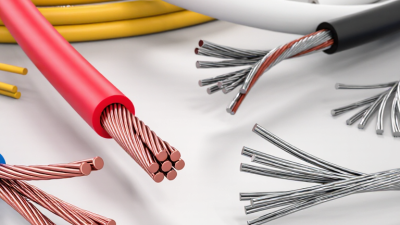
A single-core electrical wire has one conducting core beneath its insulation. “Single-core” describes the number of conductors, not the number of metal strands: the core may be solid or made from many smaller strands. That distinction is easy to miss.
The insulation provides electrical separation and helps protect the conductor from its surroundings, while its material and thickness depend on the wire’s intended service.
IEC 60228 classifies conductors by construction, including solid Class 1 and flexible Class 5, and lists maximum resistance values.
For a 1.5 mm² copper conductor at 20°C, the standard gives limits of 12.1 ohms per kilometre for Class 1 and 13.3 ohms per kilometre for Class 5.
The values are close, but not identical. A stranded core bends more readily; it is not automatically interchangeable with a solid one. Installation conditions, temperature rating, insulation type, and required current capacity still matter.
In practice, the printed cable markings are worth checking carefully—one small detail can change the suitability of a wire.
Key Materials, Insulation, and Construction Features
Single-core electrical wire ranges from solid copper conductors to flexible, finely stranded designs. Copper offers strong conductivity, while aluminum is lighter and often needs compatible terminals. Some conductors have a tin coating to help resist surface oxidation. The core’s size and strand count affect current capacity, flexibility, and installation. Small differences matter.
Insulation shapes where a wire can be used. PVC is common for general-purpose wiring, while XLPE tolerates higher temperatures in suitable designs. Silicone stays flexible in hot conditions, and PTFE handles demanding heat and chemical exposure. These materials are not interchangeable; check the wire’s rated voltage, temperature, and intended environment. Construction matters, too: a solid core holds its shape, but stranded wire bends more easily. A protective outer layer may add abrasion resistance, though not every single-core wire includes one. It is easy to focus on material names and overlook the actual rating.
Tips: Match conductor size to the circuit and installation conditions. Inspect insulation for cuts before fitting, and use terminals suited to the conductor material and strand type. If the application is unclear, pause and verify the specification; guessing is not a useful shortcut.
Ten Common Types of Single-Core Electrical Wire
Single-core electrical wire comes in several forms, and the insulation often matters as much as the conductor. THHN wire has a thermoplastic jacket and is commonly used in conduit where its rating is suitable. THWN-2 is designed for wet or dry locations, while THW and TW are older thermoplastic-insulated types with different temperature ratings. XHHW-2 uses cross-linked polyethylene insulation and is often selected for demanding installations. Check the actual marking.
Other common options include MTW machine-tool wire, SIS switchboard wire, FEP-insulated wire, silicone-rubber-insulated wire, and bare copper wire. MTW is made for equipment wiring; SIS is used in switchboard applications. FEP insulation handles heat and chemicals well, while silicone rubber stays flexible at elevated temperatures. Bare copper has no insulating jacket, so it needs suitable spacing or protection where installed. Details matter.
These types are not interchangeable. A wire’s material, temperature rating, voltage rating, and approved installation method must match the equipment and location. Read the printed markings, then confirm them against the equipment instructions and applicable electrical requirements. A small mismatch can cause overheating, even when the wire looks sturdy. When ratings are unclear, ask a qualified electrician rather than guessing.
Top 10 Types of Single-Core Electrical Wire
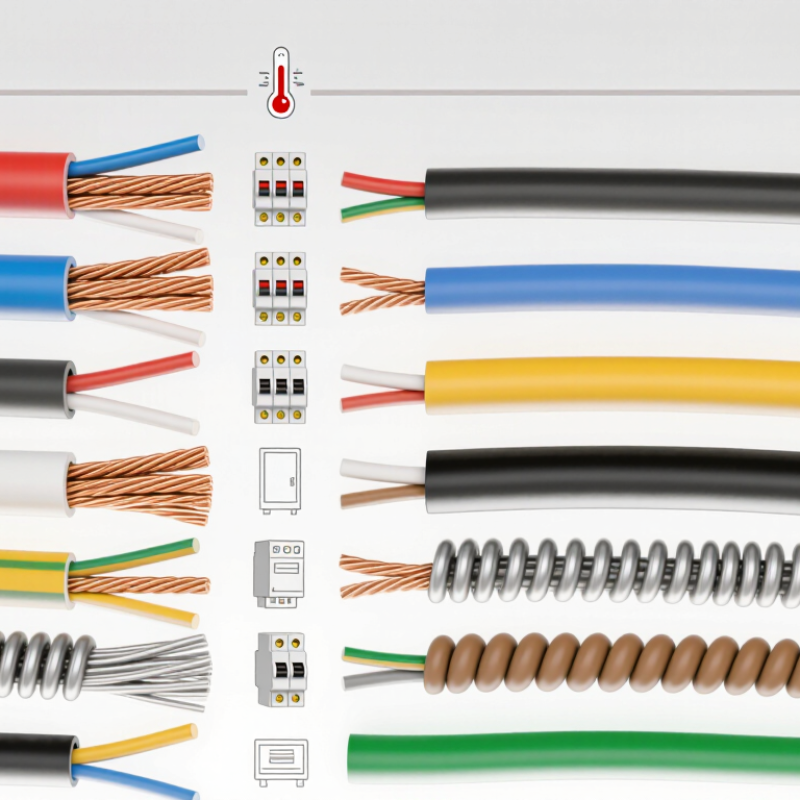
Typical maximum continuous conductor temperatures are shown for common insulation types. Actual ratings vary by product, construction, and applicable standards; check the cable specification before use.
How to Select and Install the Right Wire Safely
Single-core wire comes in several forms, and the right choice depends on where it will run. Solid copper holds its shape in fixed wiring, while stranded copper bends more easily around tight routes. Tinned copper can resist corrosion in damp settings. Other options include aluminum conductors, PVC or XLPE insulation, silicone-insulated high-temperature wire, enamelled winding wire, bare conductor, and dedicated earth wire. These are not all interchangeable categories: conductor material, construction, and insulation each affect performance. Small details matter.
Check the required current, voltage, run length, ambient temperature, and installation environment before choosing a size. A wire that fits the terminal may still be undersized for the load. I’ve seen how easy it is to focus on the label and overlook heat trapped in a crowded conduit. That deserves a second look. Isolate the circuit, verify it is de-energized with a suitable tester, and use insulated tools. Strip only the specified length; nicked strands can weaken a connection. Secure the conductor in a correctly rated terminal, and never pair copper with aluminum unless the connector is approved for both. Follow applicable electrical codes, and ask a qualified electrician when the load or wiring route is uncertain. Don’t guess.