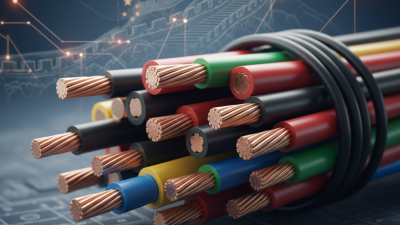
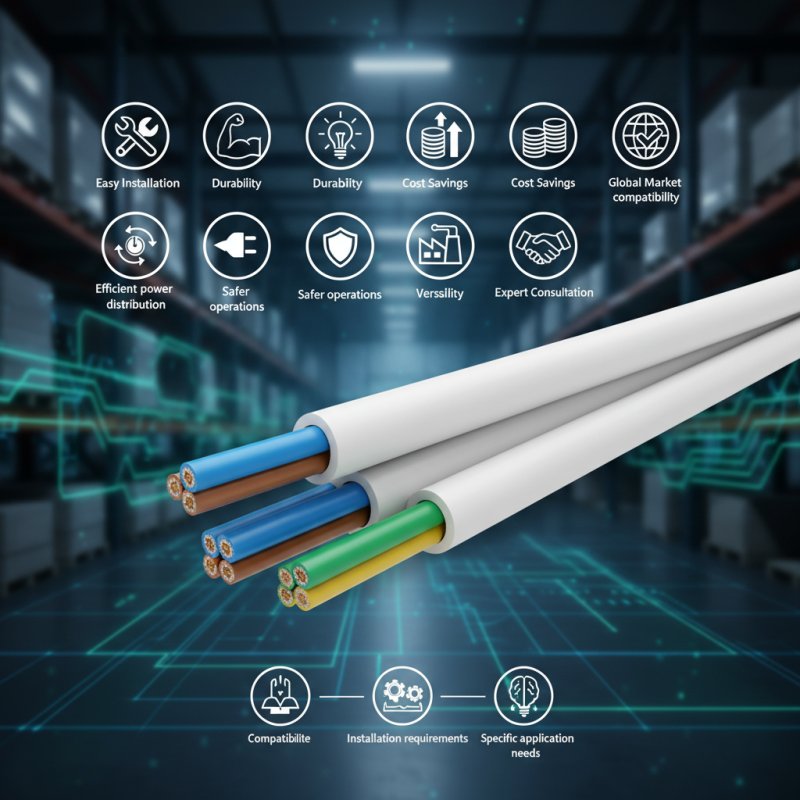
In today's fast-paced global market, the choice of cable materials is crucial. One standout option is the Three Core Flat Cable. This type of cable is designed for versatility and reliability, making it a top choice for various applications. Its unique structure allows for efficient power distribution and safer operations.
For buyers, understanding the benefits of the Three Core Flat Cable is essential. Its lightweight nature simplifies installation, reducing labor costs. This cable also boasts excellent durability, ensuring long-term use in demanding environments. Additionally, it minimizes energy loss, promoting cost savings over time.
Despite its numerous advantages, some may overlook potential challenges. Factors like compatibility with existing systems and installation requirements need careful consideration. Buyers should also reflect on the specific needs of their applications. Engaging expert opinions can provide valuable insights, ensuring a well-informed decision.
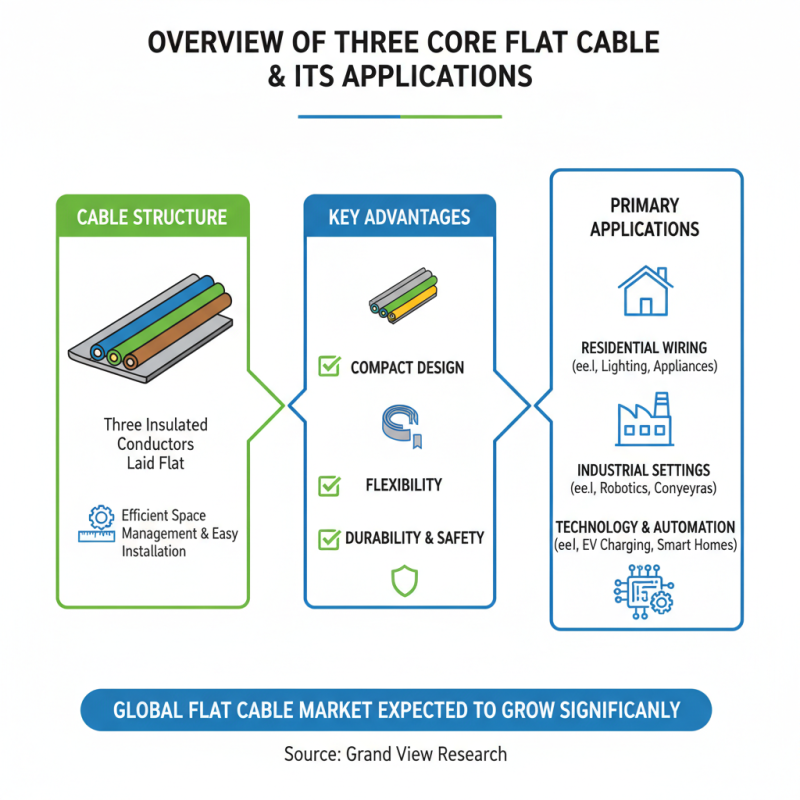
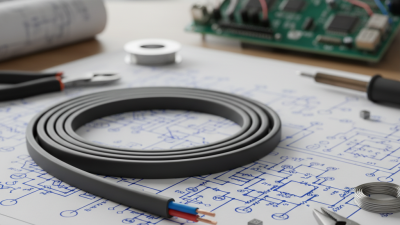
Three core flat cables are increasingly common in various applications, from residential wiring to industrial settings. These cables consist of three insulated conductors laid flat, allowing for efficient space management and easy installation. According to a market research report by Grand View Research, the global market for flat cables is expected to grow significantly, driven by advancements in technology and rising demand for compact wiring solutions.
In residential environments, three core flat cables are ideal for lighting and power circuits. They save space in conduits, making installations simpler and faster. Additionally, their flat design minimizes the risk of tangling, which can enhance safety and reliability.
Tips: When selecting cables, ensure they meet local standards. This ensures safety and compliance. Check for insulation quality and conductor materials, as these can affect performance and longevity.
In industrial applications, the durability of these cables plays a key role. They can withstand harsh conditions, ensuring uninterrupted power supply. However, not all products perform equally. Some may not endure demanding environments as expected. Always consider testing and certifications when evaluating options. The right choice can prevent costly downtimes.
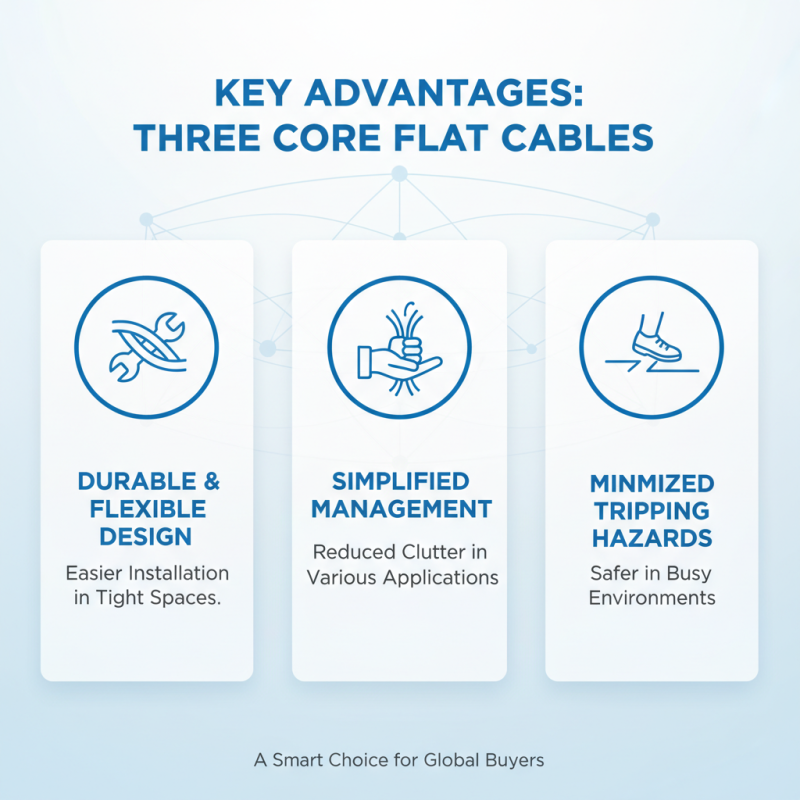
Three core flat cables offer several key advantages that make them a smart choice for global buyers. They are designed to be durable and flexible. This design allows for easier installations in tight spaces. Many users appreciate the simplicity of managing these cables in various applications. Moreover, their flat shape often minimizes tripping hazards, which is essential in busy environments.
Regular maintenance is important to ensure optimal performance. Inspect the cable for any signs of wear regularly. This helps avoid unexpected failures. Additionally, consider the environment where these cables will be used. Are they being exposed to moisture or extreme temperatures? Choosing the right materials can make a significant difference.
Tips for selection include assessing cable length and conductor size. These factors impact performance significantly. Buyers should also verify the specifications to align with their requirements. Incompatibility can lead to inefficiencies. Remember that investing time in research will pay off in the long run.
Three Core Flat Cables present significant cost-effectiveness for global buyers. They offer a high-quality solution with lower production costs. This is particularly appealing for manufacturers seeking affordable options without compromising performance. The compact design of flat cables allows for efficient use of materials, further reducing expenses. Transport costs also decrease due to their space-saving properties.
Moreover, these cables are versatile in application. They can be used in residential, commercial, and industrial settings. Flexibility is another benefit, making installation easier. Many buyers appreciate the reduced labor costs associated with their installation. However, some may find the initial investment a bit higher. Balancing upfront costs with long-term savings is crucial.
Durability is worth mentioning. While some cables may fray or break under pressure, three core flat cables tend to last longer. This durability leads to fewer replacements and maintenance expenses over time. Yet, buyers must consider how harsh environments might affect longevity. Evaluating specific needs can guide decisions. Taking these factors into account is essential when investing in cable solutions.
Three core flat cables have gained popularity in various industries due to their durability and reliability. These cables can withstand harsh environments, making them suitable for both indoor and outdoor applications. According to a report from the International Electrotechnical Commission (IEC), flat cables exhibit higher resistance to mechanical stress compared to traditional round cables. This quality is crucial for maintaining uninterrupted power supply in sectors like construction and manufacturing.
The design of three core flat cables allows for effective heat dissipation, reducing the risk of overheating. A study from the Institute of Electrical and Electronics Engineers (IEEE) highlights that overheating can lead to cable failure, increasing maintenance costs. By preventing such failures, three core flat cables not only enhance safety but also improve overall system efficiency. In areas where consistent performance is critical, the reliability of these cables cannot be overstated.
However, there may be challenges with installation, particularly in tight spaces or during complex setups. This requires skilled labor and proper tools, which can increase initial costs. A survey from industry professionals indicates that while three core flat cables are reliable, users need to ensure they are adequately trained to handle installation. Addressing these issues ensures that the benefits of durability and reliability are fully realized.
| Benefit | Description | Applications |
|---|---|---|
| Durability | Resistant to wear and tear, ensuring long-term performance. | Industrial machinery, outdoor installations. |
| Reliability | Consistent performance without frequent failures. | Critical systems, safety applications. |
| Space Efficiency | Flat design allows for better space management. | Home wiring, compact installations. |
| Flexibility | Easier to bend and maneuver in tight spaces. | Conduit systems, automotive wiring. |
| Heat Resistance | Able to withstand high temperatures without damage. | High-power applications, HVAC systems. |
| Electrical Safety | Lower risk of short circuits and electrical fires. | Residential and commercial electrical setups. |
| Cost-Effective | Reduces costs related to repairs and replacements. | Industrial projects, long-term installations. |
| Versatility | Can be used in various applications across industries. | Telecommunications, audio/visual systems. |
| Environmental Resistance | Resistant to moisture, chemicals, and UV exposure. | Outdoor electronics, marine applications. |
Three core flat cables are gaining popularity across various industries due to their versatile design. These cables can accommodate different applications, from power transmission to signal transfer. Their flat shape allows for easier installation, especially in tight spaces. This feature makes them ideal for modern electronic devices and complex machinery.
The adaptability of three core flat cables is noteworthy. They can be modified to meet specific requirements, such as varying voltage levels or insulation types. This customization is crucial for manufacturers who aim to optimize performance. However, users should reflect on their needs before choosing. Not every design fits all scenarios, and miscalculations can lead to inefficiencies.
Pricing is another vital factor. While three core flat cables generally offer cost-effectiveness, their complexity can introduce additional expenses. Buyers should weigh their options carefully. Investing in the right specifications can mitigate long-term costs. Therefore, understanding their unique needs is essential for making informed decisions.