China Top 10 Low Voltage Cable Management Manufacturers
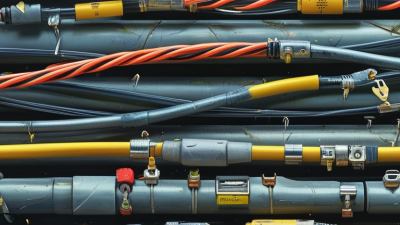
Choosing among China’s top 10 Low Voltage Cable Management manufacturers requires more than comparing product prices. It demands practical evidence, technical judgment, and careful supplier verification. Cable trays, trunking, conduits, raceways, and related accessories must support safe routing in offices, factories, data centers, hospitals, and infrastructure projects. Small details matter. Think clean bends, stable covers, accurate dimensions, and accessible maintenance paths.
Bob Metcalfe, Ethernet pioneer, once said, “The value of a network is proportional to the square of the number of connected users.” His observation highlights an important reality: as systems expand, poor cable organization creates larger operational risks. Effective Low Voltage Cable Management improves airflow, reduces accidental damage, and supports faster inspection. It can also simplify future upgrades, although many projects underestimate that benefit.
This overview examines ten prominent Chinese manufacturers through practical criteria. These include manufacturing capacity, material consistency, product range, customization ability, quality control, certifications, export experience, and after-sales support. Factory visits, sample testing, and project references should strengthen the evaluation. Marketing claims alone are not enough.
No ranking is perfect.
Supplier performance can vary by product category and project scale. A manufacturer with excellent metal cable trays may offer weaker plastic accessories. Another may provide competitive pricing but limited engineering support. That is why buyers should review drawings, load data, environmental conditions, and installation requirements before making a final decision. The strongest supplier is not always the largest one. It is the one that delivers reliable performance when the cables, space, and schedule become difficult.
Definition and Scope of Low-Voltage Cable Management
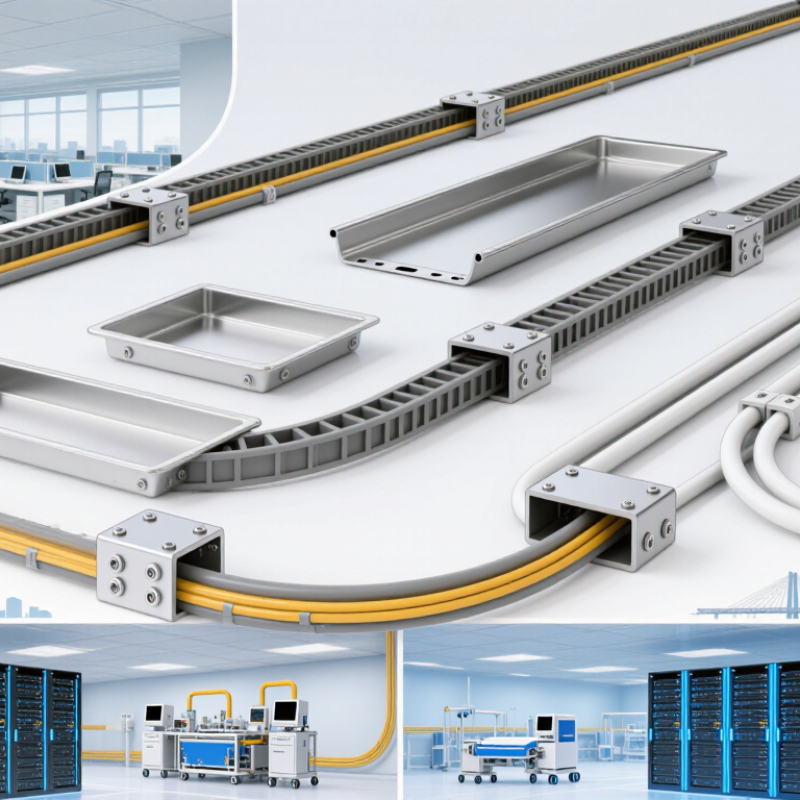
Low-voltage cable management covers the methods and components used to route, protect, support, and identify cables within low-voltage systems. The practical boundary often includes circuits below 1,000 volts AC or 1,500 volts DC. Local standards may define these limits differently. It is more than placing wires inside a tray. Its scope includes cable trays, ladders, conduits, trunking, glands, clamps, ties, labels, and separation accessories.
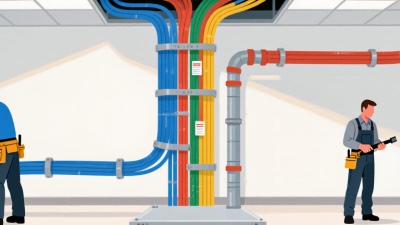
For evaluating manufacturers in China, this definition should include design support, material selection, load calculations, installation guidance, and maintenance access. A reliable system must manage heat, moisture, vibration, dust, and mechanical pressure. It should also separate power, control, and communication cables where interference creates operational risks. Engineers should check tray fill, bending radius, grounding paths, fire performance, and corrosion resistance before approving a layout.
Details matter.
A crowded tray can restrict cooling and complicate future repairs. Poor labels can waste hours during fault tracing. Field reviews sometimes reveal that attractive installations still lack sufficient support spacing. That weakness is easy to miss. The scope should therefore include inspection and long-term serviceability, not only product delivery. A careful comparison also examines test records, dimensional consistency, installation tolerances, and technical communication. No system is perfect. Designers must revisit assumptions when the site differs from the original drawings.
How China’s Top Manufacturers Are Evaluated
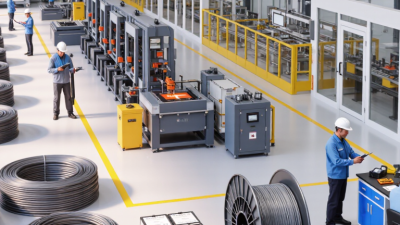
Evaluating China’s top low voltage cable management manufacturers requires more than checking export volume. Grand View Research estimated the global cable management market at about USD 23.5 billion in 2023, with continued growth through 2030. This expansion increases competition and also creates quality risks. A reliable evaluation starts with factory experience, product traceability, and documented testing. Auditors should inspect injection molding lines, metal forming equipment, warehouse labeling, and sample records. Small details matter. A missing batch code is not minor.
Technical capability should follow recognized requirements, including IEC 61537 for cable tray systems and IEC 60364 principles for low voltage installations. Buyers should compare load ratings, flame behavior, corrosion resistance, temperature limits, and installation flexibility. TÜV Rheinland’s 2023 industrial quality research highlighted supplier audits, process control, and corrective actions as key reliability factors. Certification alone is insufficient. Test reports must match the actual product, material, and production site. That point is often overlooked.
Tips: Request three years of quality records, not only recent certificates. Ask for independent testing when project risk is high. Check whether capacity figures include subcontracted production. Visit during normal production hours. A polished showroom can mislead. Also review complaint response time, spare-part support, packaging strength, and delivery consistency. The best scorecard should balance price, engineering depth, compliance evidence, and real installation feedback. Even experienced buyers may overvalue low quotations. Reconsider that habit.
Profiles of the Ten Leading Chinese Manufacturers
China Top 10 Low Voltage Cable Management Manufacturers
Profiles of the Ten Leading Chinese Manufacturers
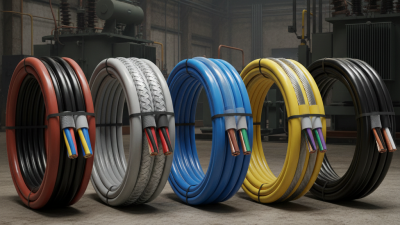
The leading Chinese manufacturers serve factories, commercial buildings, data rooms, and transport facilities. Their product ranges commonly include cable trays, trunking, conduits, glands, and support systems. These profiles should examine more than production scale. Practical indicators include material consistency, load ratings, corrosion resistance, fire performance, and dimensional accuracy. Experienced buyers also review factory audits, testing records, export history, and technical support. A reliable manufacturer can explain how products perform beside heat, moisture, vibration, and crowded control panels.
Tips: Request samples, drawings, certificates, and inspection reports before approval. Check whether the test data matches the exact product series. Ask about installation guidance and replacement availability. Small details matter.
No ranking is flawless. A large facility may not provide the best solution for a specialized project. Smaller manufacturers can sometimes respond faster, but their documentation may require closer checking. Buyers should compare production equipment, quality-control stages, packaging methods, and response times. Traceable raw materials and batch records provide stronger evidence than attractive catalogues. Site experience also reveals practical weaknesses, such as sharp edges, fragile fittings, or difficult access during maintenance. These profiles are more useful when treated as a starting point for verification, not a final purchasing decision.
Product Categories and Manufacturing Capabilities Compared
China Top 10 Low Voltage Cable Management Manufacturers
Comparing China’s top ten low voltage cable management manufacturers requires more than checking production volume. The useful question is whether each supplier matches the project’s operating conditions. Product categories often include cable trays, ladders, trunking, conduits, glands, clamps, and modular accessories. Each category solves a different installation problem.
Cable trays suit organized routes with frequent maintenance access. Trunking protects cables in offices, factories, and service corridors. Conduits offer stronger mechanical protection in dusty or exposed areas.
Strong manufacturers usually provide galvanized steel, stainless steel, aluminum, PVC, and fire-resistant options. Their capabilities may include laser cutting, automated forming, welding, surface treatment, mold development, and load testing.
However, factory size alone does not prove consistency. Samples may look excellent, while batch tolerances need closer review.
Tips: Ask for material certificates, coating thickness data, load-test reports, and inspection records. Confirm dimensions, packaging, installation hardware, and replacement support before ordering. A factory audit can reveal storage conditions and process discipline. Even careful comparisons can miss communication delays or small design changes. That weakness deserves attention. Choose evidence over polished claims, and request trial production when specifications are unusual.
Quality Standards, Applications, and Selection Criteria
China Top 10 Low Voltage Cable Management Manufacturers
When evaluating Chinese low voltage cable management manufacturers, quality standards should guide the shortlist. Check documented compliance with applicable IEC or GB requirements, material traceability, and routine inspection records. Ask for test data covering flame resistance, load capacity, corrosion protection, and temperature performance. A professional supplier should explain testing methods clearly, not only display certificates. In practice, specifications are not always complete. That gap deserves attention.
Applications determine the correct system. Cable trays may suit factories, warehouses, and data rooms with organized horizontal routing. Conduits offer stronger protection in dusty areas, outdoor zones, or locations exposed to impact. Ladder systems help manage heavy power cables, while compact trunking supports offices and control cabinets. Selection should consider cable weight, bending radius, ventilation, installation space, and future expansion. Do not guess. A crowded tray can increase heat and complicate maintenance.
Tips: Request samples before large orders. Compare wall thickness, finish consistency, connector fit, and edge treatment by hand. Confirm delivery inspection procedures and packaging protection. Measure twice. Also review installation guidance and replacement availability. A low purchase price may become expensive when corrosion appears early or accessories fail to align. Choose a manufacturer that records corrective actions and responds with evidence. One overlooked detail can affect an entire route.