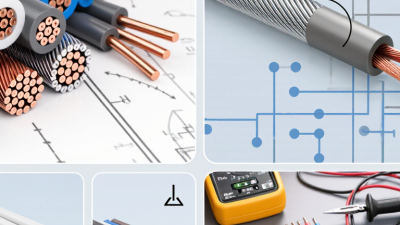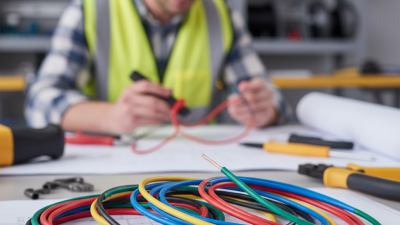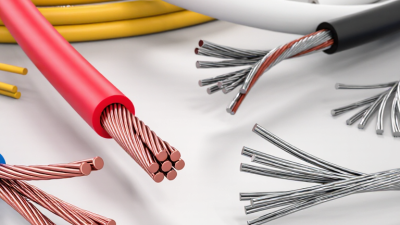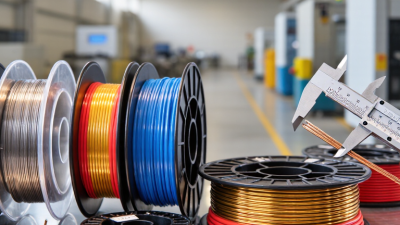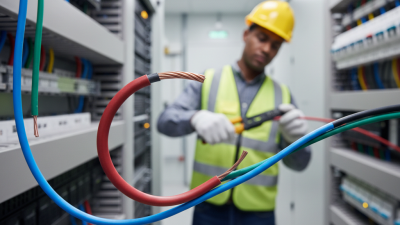
Electrical Wire Single Core is not one fixed product category. It describes a conductor with one current-carrying core, but its material, insulation, flexibility, and voltage rating can vary widely. That variation matters when a wire runs inside a control cabinet, through conduit, or across a building installation. A rigid copper conductor may suit fixed wiring, while a finely stranded version bends more easily during installation. The right choice depends on the application, not just the label.
The International Energy Agency’s 2023 report, Electricity Grids and Secure Energy Transitions, estimates that more than 80 million kilometres of electricity grids must be added or refurbished by 2040. That figure describes grid infrastructure, not single-core wire demand, but it shows why dependable conductors and careful specification matter. IEC 60228 classifies conductors by construction, while IEC 60227 covers PVC-insulated cables with rated voltages up to 450/750 V. These references help explain key distinctions, though local requirements and manufacturer specifications still need checking. A neat ranking can hide trade-offs. There is no universal top ten. This guide compares ten commonly encountered types by construction, insulation, and typical use, with practical details to help readers ask better questions before selecting a wire. It is a starting point, not a substitute for a qualified design review.
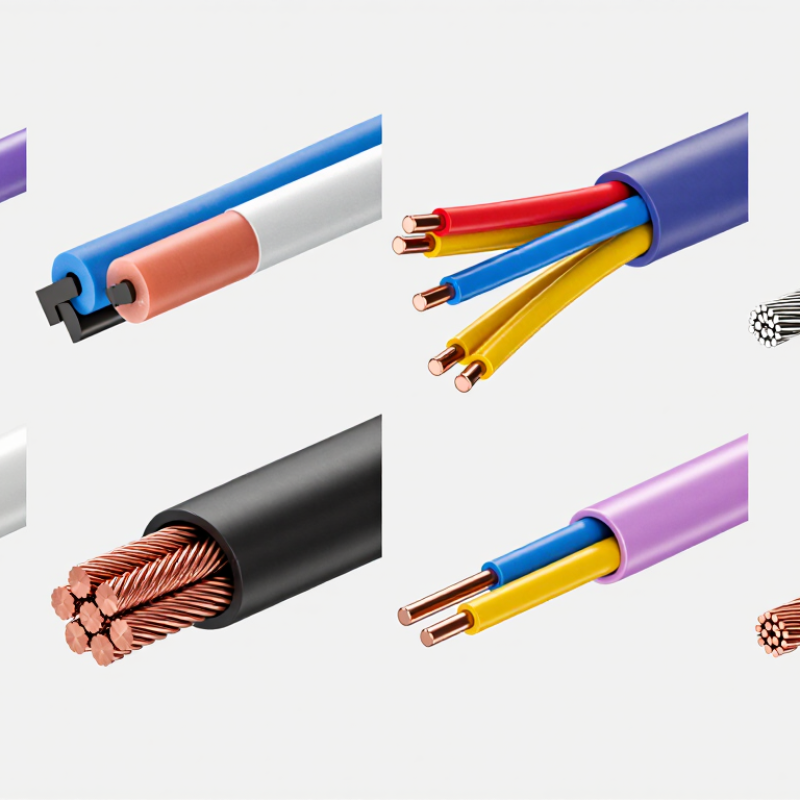
A single-core electrical wire contains one conductive core, usually copper or aluminum, surrounded by insulation. “Single-core” describes the number of conductors, not the number of metal strands. A wire with many fine copper strands can still be single-core if those strands form one electrical path.
It is easy to confuse. A solid conductor feels stiff when bent; a stranded one flexes more readily.
The insulation provides electrical separation and helps resist heat, moisture, or abrasion, depending on its material and rating. Some wires also include an outer protective sheath, but that does not create another core.
IEC 60228’s conductor data covers nominal cross-sections from 0.5 to 2,500 mm² and distinguishes solid, stranded, and flexible conductor classes. That range shows why “single-core” alone does not tell you a wire’s capacity. Cross-sectional area, conductor material, insulation temperature rating, and installation conditions all matter.
For example, a wire routed through a warm enclosure may need a different rating from one installed in open air. Small details count.
In practice, check the marking on the insulation and the equipment specification before selecting a wire. I would not infer its current capacity from thickness alone; that shortcut is tempting, but incomplete.
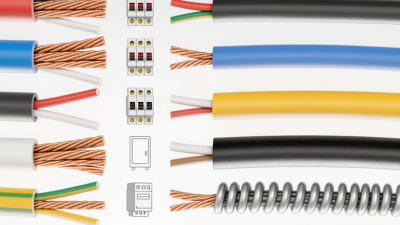
A single-core wire contains one conductor, but that conductor can be made from different materials and constructions. Copper is widely used because it conducts electricity well and bends readily, especially in stranded form. Solid copper holds its shape and suits fixed runs, though it is less flexible.
These are meaningful differences. “Top 10” is not a universal industry classification; wire types also depend on insulation, size, and intended use.
Aluminum is lighter than copper, but it generally needs a larger conductor for comparable electrical performance. Connections require terminals rated for the material and careful installation.
Tinned copper has a thin coating that can help resist corrosion in damp environments. Copper-clad aluminum combines an aluminum core with a copper outer layer, but it is not a drop-in substitute for every copper wire.
The right choice depends on the circuit, installation conditions, and applicable specifications. Material alone doesn’t tell the whole story.
Tips: Check conductor material and size on the wire marking. Match terminals to the conductor, and follow the equipment instructions. If the marking is unclear, pause and verify it before installation. Small details matter.
Single-core wire contains one conductor beneath insulation or a protective sheath. “Top 10” types are best understood as overlapping categories, not ten competing products. Common options include solid copper, stranded copper, flexible copper, extra-flexible copper, aluminum conductor, PVC-insulated, XLPE-insulated, rubber-insulated, silicone-insulated, and mineral-insulated copper-sheathed wire. Selection depends on current, movement, heat, moisture, installation method, and terminal compatibility.
Conductor construction affects handling and resistance. IEC 60228 classifies conductors by flexibility, including Class 1 solid and Class 5 flexible conductors. For 1.5 mm² copper at 20°C, its technical tables specify maximum DC resistance of 12.1 Ω/km for Class 1 and 13.3 Ω/km for Class 5. Flexible wire bends more easily, but needs suitable terminals. PVC serves many general indoor applications, while XLPE and silicone can suit higher-temperature conditions when product ratings allow. Aluminum requires terminals rated for aluminum conductors. A label alone is not enough.
Tips: Check voltage and temperature ratings, then match cross-section to the load and installation conditions. Keep a short sample near the terminal; tiny strands can splay unexpectedly. Verify compatibility with the cable datasheet and applicable electrical code.
| No. | Wire Type | Typical Conductor and Insulation | Common Applications | Key Characteristics |
|---|---|---|---|---|
| 1 | PVC-Insulated Building Wire | Usually copper with a polyvinyl chloride (PVC) insulating layer | Fixed wiring in buildings, panels, and conduit systems where the applicable wiring rules permit it | A widely used general-purpose construction; allowable voltage, temperature, and installation conditions depend on its designation and local code. |
| 2 | THHN/THWN-2 | Copper or aluminum conductor with thermoplastic insulation and a nylon jacket | Building wiring, commonly installed in raceways and equipment enclosures | THHN and THWN-2 identify different performance requirements; a dual-marked wire meets the requirements shown on its listing and must be used within those limits. |
| 3 | XHHW-2 | Copper or aluminum conductor with cross-linked polyethylene (XLPE) insulation | Building and industrial power distribution, including raceway installations | The “-2” designation indicates suitability for wet or dry locations at the temperature rating specified by its applicable standard and product marking. |
| 4 | RHW-2 | Copper or aluminum conductor with heat- and moisture-resistant thermoset insulation | Power distribution and service wiring where the installation rules allow this wire type | Designed for wet or dry locations when marked RHW-2; check the product rating and permitted installation method. |
| 5 | USE-2 | Usually copper or aluminum conductor with moisture-resistant insulation | Underground service-entrance applications, subject to local electrical rules | Intended for specified underground uses; it is not automatically suitable for every indoor wiring application. |
| 6 | Photovoltaic (PV) Wire | Typically stranded copper with insulation and an outer jacket designed for photovoltaic service | Interconnections between photovoltaic modules and other parts of a solar array | Selected for the environmental and electrical conditions of PV systems, including outdoor exposure when the wire is appropriately listed and marked. |
| 7 | MTW (Machine Tool Wire) | Typically stranded copper with thermoplastic insulation | Internal wiring of machine tools, control panels, and industrial equipment | Designed for specified equipment-wiring conditions; permitted uses and temperature ratings depend on its marking and applicable standards. |
| 8 | SIS (Switchboard Wire) | Typically stranded copper with thermoset insulation | Internal wiring of switchboards and electrical control equipment | Used for equipment wiring where its listed construction and installation conditions are appropriate. |
| 9 | Bare Copper Wire | Solid or stranded copper with no insulating covering | Grounding and bonding conductors, earthing systems, and some overhead applications | Because it is uninsulated, it requires suitable routing, spacing, and protection for the installation environment. |
| 10 | Enamelled Magnet Wire | Copper or aluminum conductor coated with a thin electrical-insulating enamel | Windings in motors, transformers, inductors, and other electromagnetic components | The compact insulation supports tightly wound coils; it is intended for winding applications rather than general building wiring. |
Selection note: These are common single-conductor wire types, not interchangeable options. Always confirm the wire’s markings, conductor size, voltage and temperature ratings, installation environment, and local electrical-code requirements before use.
Insulation determines where a single-core wire can operate safely, not just how it looks. PVC is common for general indoor wiring, while XLPE tolerates higher temperatures in many cable designs. Silicone stays flexible near heat, but flexibility alone does not make a wire suitable for every installation. Check the printed voltage and temperature ratings against the equipment, enclosure, and surrounding conditions. Small print matters.
NFPA 70 (2023), Table 310.16, lists 12 AWG copper at 20 A for 60°C, 25 A for 75°C, and 30 A for 90°C, under specified installation conditions. Those figures assume 30°C ambient temperature and no more than three current-carrying conductors in a raceway or cable. Terminal temperature limits can still restrict the usable ampacity. A higher insulation rating does not automatically permit more current. The awkward part is that a wire may carry a 90°C rating while its connection point imposes a lower limit. IEC 60216 evaluates insulation’s thermal endurance through heat-aging tests; it does not promise a fixed service life. Heat, abrasion, chemicals, and tight bends can change real-world performance. So check the whole installation, not just the wire jacket.
Single-core wire appears in lighting circuits, control panels, appliances, and building wiring. Solid conductors suit fixed routes, such as inside conduit; stranded conductors bend more easily around equipment. The “top 10” options usually differ by conductor metal, strand construction, or insulation, including PVC, XLPE, silicone, and heat-resistant types. A cable’s name alone does not confirm suitability.
Selection starts with load current, voltage, ambient temperature, and installation method. Check the manufacturer’s data sheet and applicable wiring rules for conductor size and insulation rating. Copper and aluminum are not interchangeable without checking terminal compatibility and sizing. Moisture, tight bends, and heat near a motor can also change the right choice. NFPA estimates that electrical distribution or lighting equipment was involved in about 34,000 U.S. home fires annually from 2015 to 2019. That makes correct sizing and sound connections more than paperwork. A tidy panel can still hide a poor selection.
Tips: Match the wire to its route and load, not just its color or price. Check markings before installation, and ask a qualified electrician when ratings or local requirements are unclear. The small details matter.
Typical continuous temperature ratings by insulation type
How to choose: Match the wire’s conductor size and insulation to the installation environment, current, voltage, temperature, and applicable electrical code. PVC is common for general-purpose wiring; XLPE and EPR are used where higher heat resistance is needed; silicone, fluoropolymers, and fiberglass-based constructions suit specialized high-temperature applications.
Ratings shown are typical examples, not universal limits. Actual ratings depend on the wire construction, governing standard, and installation conditions; check the product specification and local code.